5-4-2014
थ्रियेटर कार्यशाला
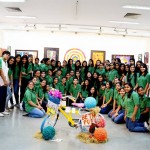
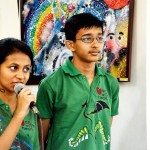
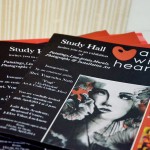
दिनांक 5-4-2014 को ‘एरोसा इंस्टीट्यूट अॉफ आर्ट एण्ड कल्चर हेरिटेज ऑफ़ पीस ‘डरबन साउथ अफ्रीका से आये सान्स्कृतिक दल एवं स्टडीहाल केथ्रियेटर स्टडीज़ के बच्चोँ की सम्मिलित कार्यशाला प्रसिद्द रंगकर्मी सुश्री मृदुला भारडाज दारा आयोजित की गई !
1.कार्यशाला मे अभिनय के प्रकार ,संगीत ,मुद्राओ ,नृत्य एंव वाधो के बारे मे बताया गया !
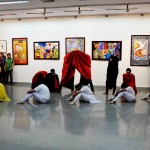
2. स्टडीहाल केथ्रियेटर स्टडीज़ की छात्राओ दारा नाटक भग्व्द्र्ज्जुकियम का एक अंश प्रस्तुत किया गया !
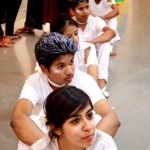
3. मृदुला जी ने कार्यशाला मे रंगमंचीय अभ्यास भी करवाये जैसेः —
1. Expression and communication exercise
2.Volume Exercise
4. दोनों दलों ने रुचिपूर्वक भाग लिया ! कार्यशाला सफलतापूर्वक सम्पन्न हुई !
आशाबली
16-4-2014
हिंदी काव्य पाठ प्रतियोगिता ( प्रथम चरण )
विगत 16 अप्रैल को काथ पाठ्य प्रतियोगिता का आयोजन किया गया ! प्रतियोगिता मे कक्षा नवमं एंव द्शम के चारो सदनों के प्रतिभागियों ने अपनी कविताओं का पाठ किया ! कक्षा नौ को विषय दिया गया था -”हास्य व्यग्य”, और कक्षा दस को – यात्रा/भमण’ ! पानी उर्फ़ गधा ‘ ‘पोल खोलक यंत्र’ ‘जंगल मे चुनाव आने वाला हैं ,पचास के पॉच ‘ आदि कविताये हास्य व्यग्य से भरपूर थी जिन्हे कक्षा नौ के छात्र -छात्राओं से प्रस्तुत किया ! कक्षा दस के लिये विषय था -यात्रा/भमण !चाँदनी रात मे नौका विहार ‘ यात्रा जनरल बोगी’,मसूरी यात्रा,अनेकांत – आदि कविताये कक्षा के बच्चों ने प्रस्तुत की !
234-4-2014
हिंदी काव्य पाठ प्रतियोगिता ( दितीय चरण )
दितीय चरण भी चर्चित रहा ! काथ पाठ् प्रतियोगिता आकर्षक रही जो कक्षा 11 एंव कक्षा 12 दारा प्रस्तुत कविताओ के सौन्दर्य से पूण थी ! प्रतियोगिता दिनांक २३-४-२०१४ को आयोजित की गयी !पूर्व की भाँति चारों सदनों के बच्चों ने भाग लिया कक्षा 11 का विषय था – दर्शन ‘,तथा कक्षा 12 का चुनाव के रंग !’मैं क्या हूँ ‘क्यों बच गयी मूर्ति मेरी केदार मे ” ‘कुछ बाते ‘जीवन दर्शन की तथा सच है महज सघंष ही आदि कविताये अति प्रभावशाली की ! कक्षा 12 के बच्चों ने समकालीन विषय चुनाव के रंग पर आधारित कविताओं के वाचन दौरा माहौल को रस पूण बना दिया ! मत पेटी से राजा ‘ चुनाव का बिगुल ,मूल अधिकार चुनाव सभा ‘- कविताओं का वाचन आकर्षक रहा !
 Shalini Sinha